 Digest · Tokyo Wire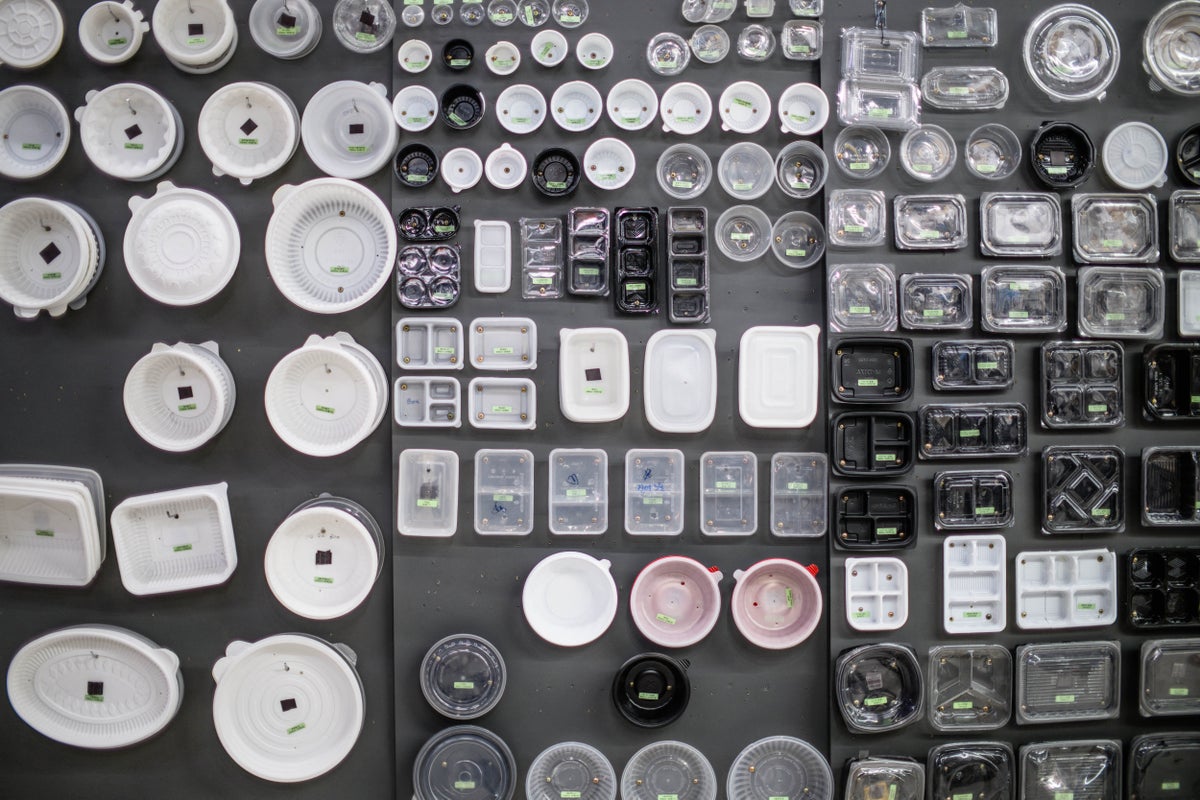
Exposure to common household chemicals might alter how human breast tissue develops, scientists warn in a new study that could lead to earlier diagnosis for those at risk for cancer. Researchers found that chemicals used in plastic water bottles , beverage cans, hair relaxers, or toys might change tissue in ways that could make them more susceptible to breast cancer later in life. The findings help better understand how the chemicals called bisphenols trigger molecular changes that persist in human tissues and contribute to disease in later life.
“If these results are validated by additional studies, they could change how we think about cancer prevention ,” Charlotte Kuperwasser, an author of the study published in the journal PNAS, noted. Previous research raised questions about whether exposure to hormone-disrupting chemicals could contribute to breast cancer risk. But it was mostly conducted on animal models or laboratory-grown cells that could not fully reproduce the complexity of human tissue, researchers said.
To better capture the complexity, they used miniature versions of human organs , called organoids, in the latest study. Single-use food plastic containers are seen on display at a wholesale dealer's store in Seoul, South Korea (AFP via Getty) From tissue donated by 13 healthy young women, they grew breast organoids, which contained multiple types of cells and could reproduce several aspects of how human breast tissue actually developed. And as the organoids developed over about three weeks, researchers exposed them to a panel of chemicals known for disrupting hormones and affecting metabolism and suspecting of triggering cancer.
Researchers then analysed the molecular changes, including alterations in gene activity and DNA modifications, the chemicals caused to the organoids. They found that different chemicals affected tissue development in different ways, but the most striking changes occurred when the bisphenols were combined. When bisphenols were combined at very low concentrations, comparable to levels detected in human blood and urine, they disrupted normal breast development in organoids from most of the donors.
“We intentionally used concentrations of chemicals that were relevant to real-world exposure rather than the very high doses sometimes used in toxicology studies,” said Dr Kuperwasser. They then compared the cells changed by the bisphenol mixture to tissues from breast cancer patients. A researcher at the National Institute of Health and Medical Research observes a tumour sample (AFP/Getty) They found the pattern was similar for invasive lobular carcinoma, a type of breast cancer that might not cause a detectable lump and could be difficult to detect with a mammogram.
The findings do not confirm that the chemicals cause cancer, but demonstrate a new way to study how environmental exposure affects normal human tissue. “The findings raise another possibility: environmental exposures may subtly alter how normal tissues develop, leaving behind molecular changes that do not cause cancer by themselves but may make the tissue more permissive to cancer many years later,” Dr Kuperwasser said. Such persistent tissue changes may eventually serve as a “scar” of past exposure, researchers say.
If validated, such a marker can help identify individuals at higher risk of cancer. Researchers hope future studies involving larger and more diverse groups of donors, as well as a broader range of chemicals and mixtures, can determine how widely the findings apply.
Source: The Independent